
AI4CRIS 2026: move to post-quantum cryptography now, with crypto-agility first
At the national scientific conference on AI for cryptography and information security, Hoàng Nguyên Vân set out how organizations can move from classical to post-quantum cryptography.

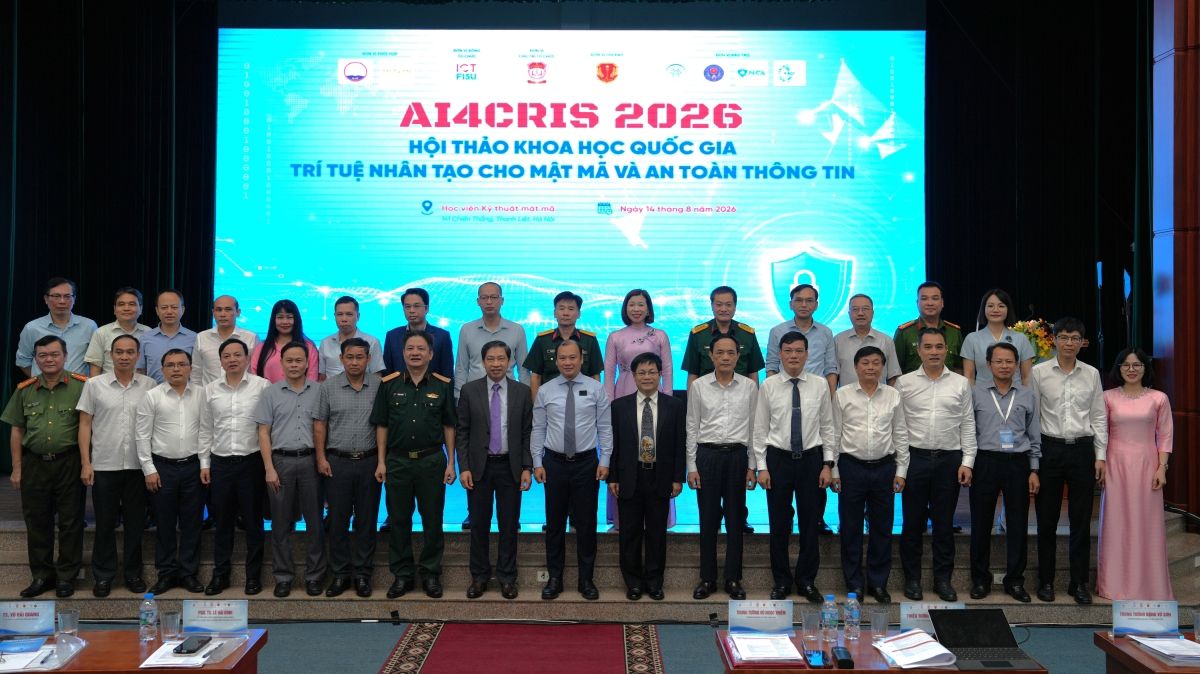
At AI4CRIS 2026, the national scientific conference on artificial intelligence for cryptography and information security organized by the Academy of Cryptography Techniques, Hoàng Nguyên Vân, Vice President of the Vietnam Institute for Digital Transformation and Innovation (VIDTI), presented “Experience deploying post-quantum cryptography (PQC) in the quantum transition”.
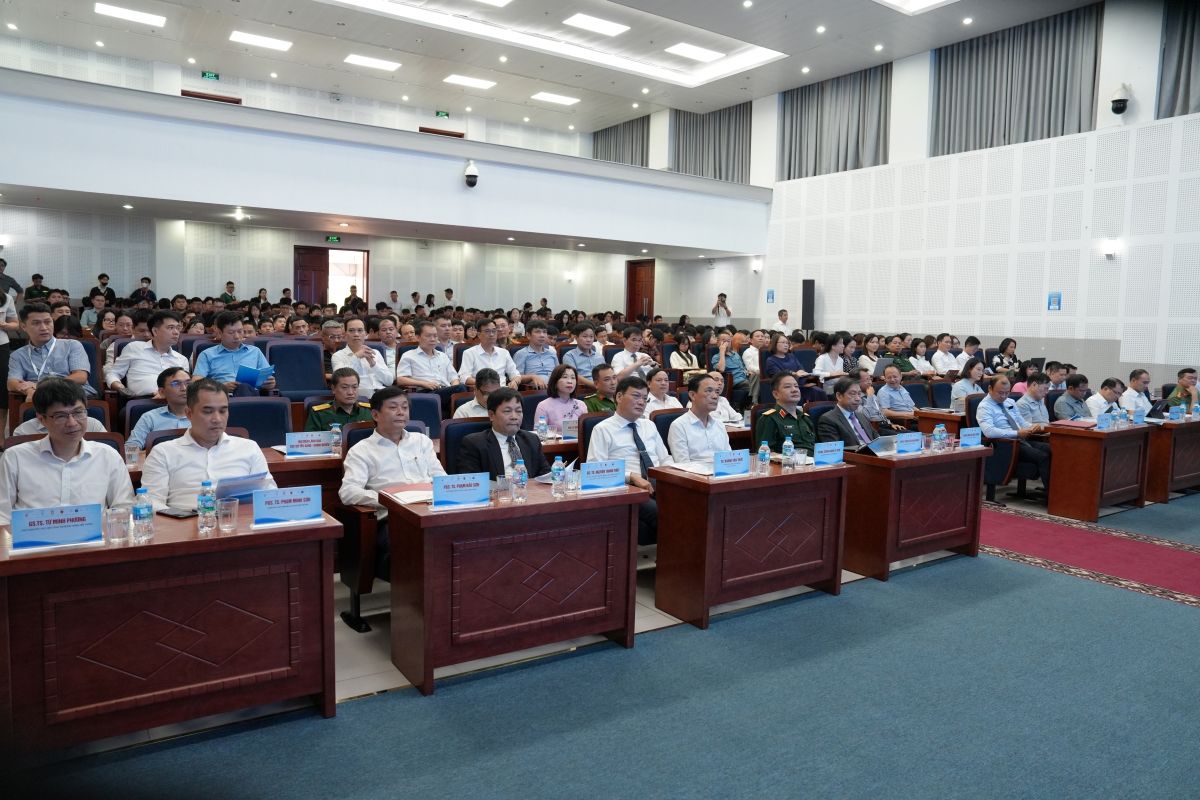
The conference brought together scientists, experts, managers and delegates in IT, cryptography and information security to discuss new technology trends, share research results and propose ways to apply AI to protect national digital sovereignty.
AI is advancing computing power, data analysis and security automation, but it also brings new risks. One is “harvest now, decrypt later”: attackers collect sensitive data such as identity records, financial transactions and contracts today in order to decrypt it in the future. Post-quantum cryptography is therefore no longer only a research topic but a capability every organization needs.
Crypto-agility as the core capability
In the session on cryptography and post-quantum cryptography, Mr. Vân described crypto-agility as the ability to quickly discover, assess and switch algorithms, protocols and cryptographic standards without interrupting services or weakening security. The starting point is a Cryptographic Bill of Materials (CBOM) that lists every algorithm, protocol, library, HSM, PKI component and certificate in use, followed by a risk assessment and a migration roadmap.
A hybrid, phased transition
Rather than replacing everything at once, a hybrid deployment combines classical and post-quantum cryptography. This keeps compatibility with existing systems while raising protection against quantum threats step by step: inventory, risk assessment, algorithm selection, testing, hybrid deployment, scale-out and continuous monitoring. The approach applies directly to PKI, digital signatures, HSMs, payments, digital banking and other core digital infrastructure.
Drawing on international practice and Vietnam's situation, Mr. Vân proposed a PQC roadmap for 2026-2030 focused on policy and standards, assessing the current state of cryptography, wider testing in critical systems, building a PQC ecosystem and gaining mastery of the technology.
SAVIS supports this path with Crypto Agility, Quantum Readiness Program and PQC Suite.
 Event
 Event
 Event
Let’s talk about your project
Tell us what you need — our experts reply with a demo slot, a datasheet pack or a quote.